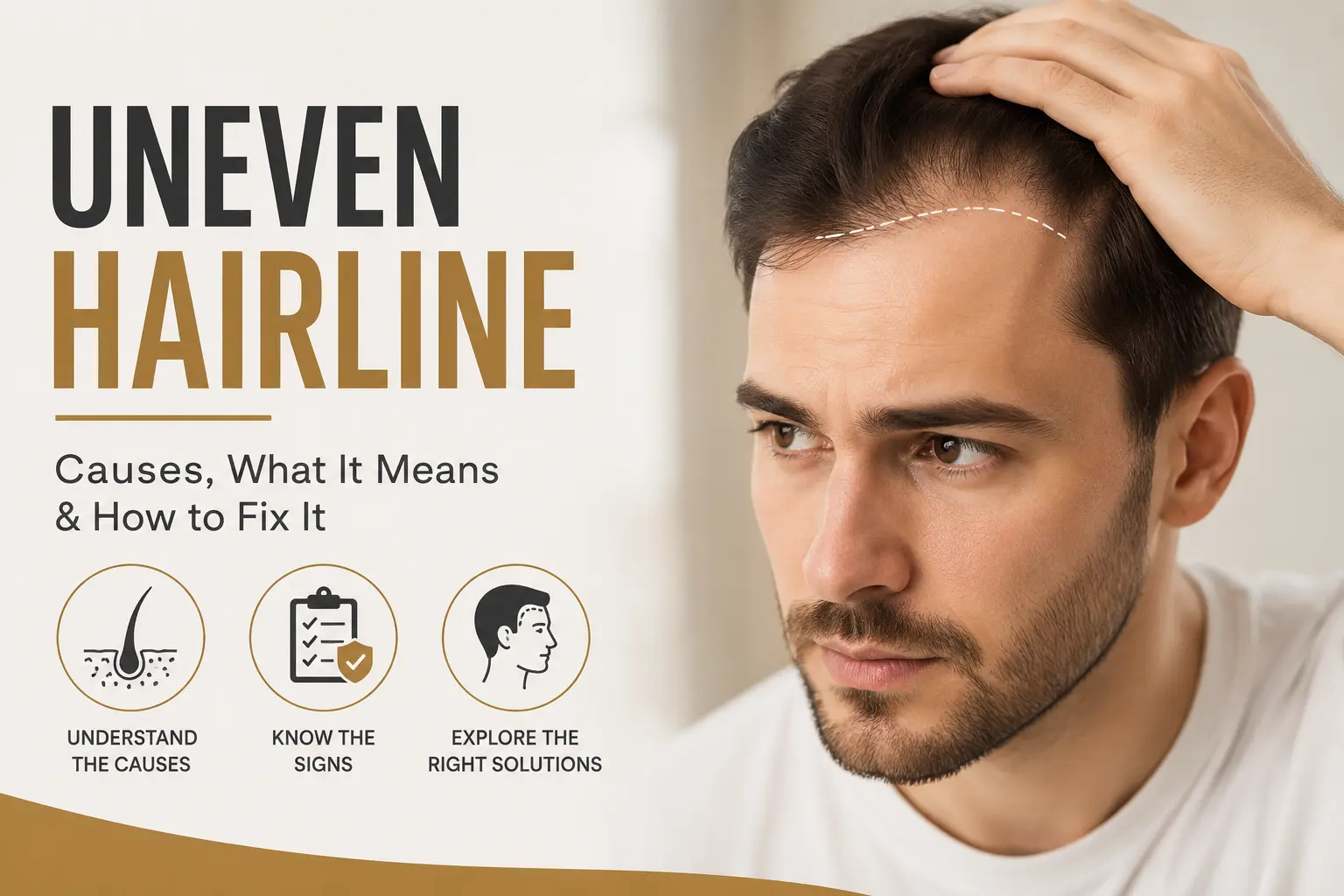


Hair loss can be a major source of emotional distress for both men and women, affecting self-confidence and overall quality of life. Whether caused by genetics, hormonal changes, medical conditions, or stress, losing your hair often feels like losing part of your identity.
Fortunately, advancements in cosmetic surgery have made hair transplants a reliable and effective solution. And when it comes to hair transplant procedures, Turkey has become a global hub, offering high-quality treatments at competitive prices.
If you’re interested in booking your hair transplant surgery with Dr. Cengizhan Ekizceli, contact us for a free consultation, including pricing. If you’d like to learn more first, keep reading to find out about the procedure, what it costs in Turkey, and the available options.
Table of Contents
What is Hair Transplantation?
Hair transplantation is a surgical procedure that involves moving hair follicles from one area of the body (typically the back or sides of the scalp, known as the donor area) to a thinning or bald area (the recipient site).
The transferred follicles are usually resistant to the hormone dihydrotestosterone (DHT), which causes male and female pattern baldness, making the results long-lasting and natural.
This procedure can also achieve more specific goals depending on the hair transplant technique you and your surgeon agree on. You’ll learn more about the different techniques a little further down.
Do Hair Transplant Operations Cost Less in Turkey?
Turkey offers the most affordable prices globally for top-level cosmetic surgery.
A hair transplant costs $8,000 to $15,000 in the United States, $6,000 to $12,000 in the United Kingdom, and $5,000 to $10,000 in Western Europe. Turkey’s costs are 60% to 70% lower while maintaining comparable quality standards and surgeon expertise.
Hair transplant costs in Turkey typically range from $1,500 to $4,000, depending on the technique and number of grafts needed. FUE procedures average $2,000 to $3,500, while DHI and Sapphire FUE may cost slightly more due to advanced technology.
This cost advantage is why Turkey attracts over 500,000 medical tourism patients annually. Many tourists also come for all-inclusive packages that cover consultation, surgery, accommodation, transfers, and post-operative care, making Turkey significantly more affordable than Western countries.
Why Choose Dr. Cengizhan in Turkey for Hair Transplants?
Dr. Cengizhan is recognized for his expertise in hair and facial enhancement procedures. He combines advanced surgical techniques with a personal approach, delivering natural-looking results that enhance your unique features.
You can combine multiple enhancements into one comprehensive plan. Dr. Cengizhan is capable of many adjustments to the facial area, including through chin augmentations, facelifts, bichectomies, eyebrow lifts, cat eye surgery, fox eye surgery, and more.
His commitment to patient safety, detailed surgical planning, and attention to facial harmony make him a leading choice for international patients in Turkey. Contact us to book a stress-free starting consultation and find out if you are a good candidate.
Types of Hair Transplant Techniques
There are two primary types of hair transplant procedures:
Several techniques are available today, each offering unique benefits and suitable for different hair types, goals, and budgets. There is no “best” hair transplant method. Instead, your surgeon will make a recommendation based on your goals for your hairline design.
Here’s a breakdown of the most commonly performed methods in Turkey:
1. Follicular Unit Extraction (FUE) |
FUE is one of the most widely used and preferred methods in modern hair transplantation. How it works:
Benefits of FUE:
Ideal for: Patients looking for a discreet procedure with minimal downtime and scarring. |
2. Sapphire FUE |
Sapphire FUE is a refined version of the traditional FUE technique, using blades made from sapphire, a precious gemstone known for its hardness and smoothness. Advantages over standard FUE:
|
3. Direct Hair Implantation (DHI) |
The DHI method is an innovative variation of the FUE technique that has gained popularity in recent years for its precision and results. How DHI Works: Hair follicles are extracted using a micro motor device (similar to FUE). Instead of creating incisions beforehand, follicles are implanted directly into the scalp using a Choi Implanter Pen. This pen allows the surgeon to control the angle, direction, and depth of each graft. Benefits of DHI:
Ideal for: Both men and women, particularly those with early-stage hair loss or localized thinning. |
4. Follicular Unit Transplantation (FUT) |
Also known as the strip method, FUT involves surgically removing a strip of scalp from the donor area, which is then divided into individual follicular units for transplantation. Pros: Suitable for patients needing a large number of grafts in one session Cons:
While FUT is less commonly used today, it may still be a viable option for some patients with extensive hair loss. |
Who Is a Good Candidate for Hair Transplant Surgery?
Hair transplantation isn’t suitable for everyone. Here’s who can benefit most:
- Men with male pattern baldness (Norwood Scale Class 3 or higher)
- Women with localized hair thinning or female pattern baldness
- People with a healthy donor area (back or sides of the scalp)
- Patients in good overall health
- Individuals with realistic expectations
Stages of Hair Transplant Surgery
Whether you choose FUE, DHI, or FUT, hair transplant surgery generally follows a similar series of steps:
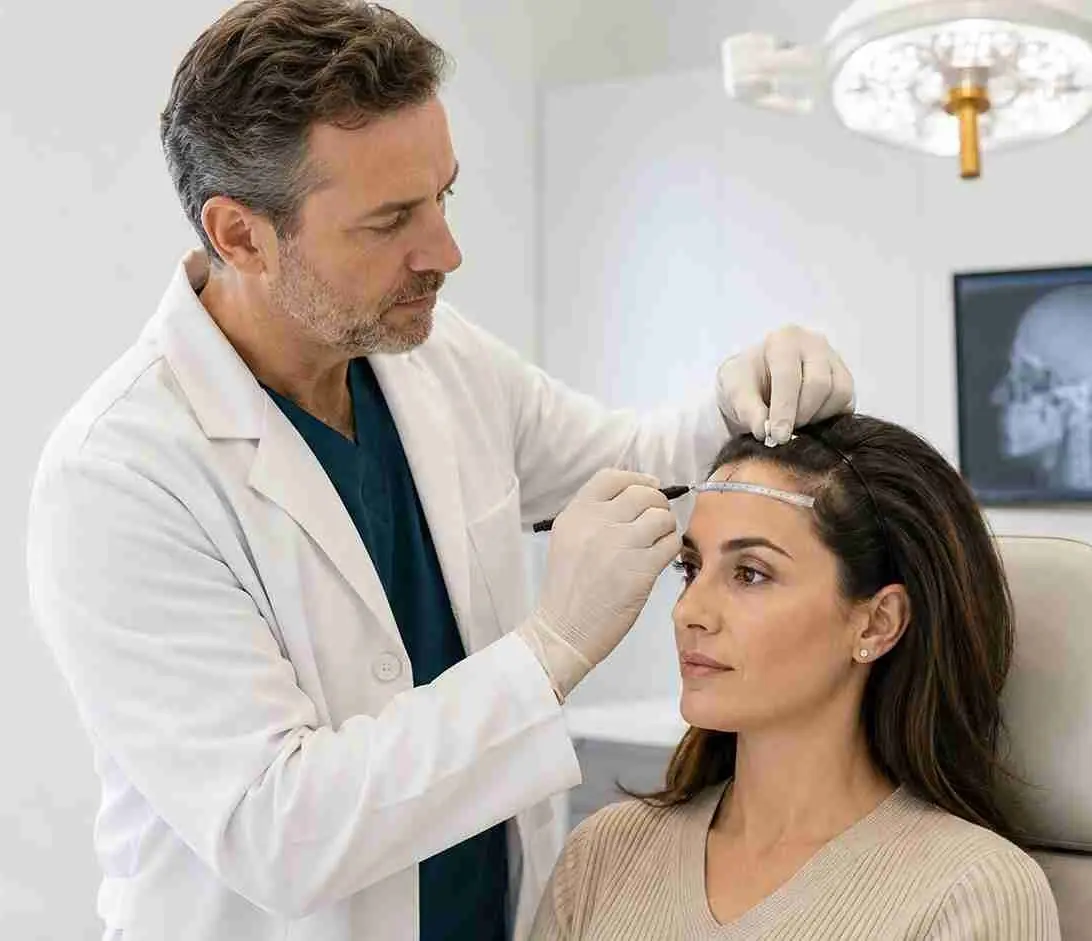
1. Consultation and Evaluation |
A thorough consultation is conducted to assess the patient’s hair loss pattern, donor area density, and overall health. A customized treatment plan is then developed. |
2. Preparation |
|
3. Extraction |
|
4. Incision (for FUE and Sapphire FUE only) |
|
5. Implantation |
|
6. Post-Operative Care |
|
Recovery and Aftercare for Hair Transplant Procedures
Immediate Post-Surgery: |
|
First Month: |
Temporary shedding of implanted hair (known as shock loss) may occur—this is a normal part of the process |
2–3 Months: |
New hair growth starts becoming visible |
6 Months: |
Noticeable improvement in density and coverage |
9–12 Months: |
Full results appear at this time. The hair grows just like natural hair. You can cut, dye, and style it. |
Beard and Eyebrow Transplants in Turkey
Hair transplantation is no longer limited to the scalp. In recent years, beard and eyebrow transplants have surged in popularity, particularly among patients seeking facial symmetry or reconstructive restoration after injury or overplucking.
Beard Transplants |
Eyebrow Transplants |
|
Beard transplants follow the same principles as FUE or DHI hair transplants, using hair follicles typically harvested from the nape of the neck or lower scalp. These follicles are then meticulously implanted into the jawline, cheeks, or mustache area to create a natural, masculine beard. |
Similarly, eyebrow transplants require extreme precision, as hairs must be implanted at the correct angle and direction to match the natural brow. Turkey has become a global leader in these advanced facial procedures, offering specialized expertise and artistic techniques to deliver hyper-realistic results. |
Whether filling in patchy areas or reshaping the entire beard or brow, these procedures can make a dramatic aesthetic difference. Hair transplants have come a long way in recent years, offering highly effective and natural-looking solutions for those struggling with hair loss.
Whether you’re interested in FUE, Sapphire FUE, or DHI, Turkey remains a leading destination with skilled surgeons, advanced technology, and prices that make the procedure more accessible.
If you’re considering hair restoration, consult a trusted, experienced clinic like Dr. Cengizhan’s for a personalized evaluation and treatment plan tailored to your needs.
With the right care and expert hands, restoring your hair (and your confidence) is absolutely within reach.
Contact Dr. Cengizhan for a Consultation
Do you want to know more about hair transplants or book your procedure in Turkey? Our professional staff is ready to answer any questions you may have about the available options. You can use our number or online form to start your journey today.
Dr. Cengizhan is an experienced surgeon who offers a wide range of procedures you can book alongside your hair transplant to reduce healing time and enjoy other benefits. During your consultation, ask about our other cosmetic facial, forehead, or body enhancement procedures.
Frequently Asked Questions About Hair Transplant Surgery in Turkey
How many grafts do I need for a full head of hair?
The number of grafts needed varies based on hair density, the extent of hair loss, and the desired coverage. Most patients require 2,000 to 4,000 grafts for noticeable results. A full head of hair typically needs 4,000 to 6,000 grafts.
During your consultation, your surgeon will assess your specific needs and create a customized plan. Multiple sessions may be recommended for extensive baldness.
What is the success rate of hair transplants?
Hair transplant success rates in Turkey exceed 90% when performed by experienced surgeons. Graft survival rates typically range from 85% to 95%, depending on the technique used.
DHI and Sapphire FUE show slightly higher success rates due to advanced precision. Patient satisfaction rates are consistently above 95% when expectations are realistic and proper aftercare is followed.
How long until I see hair transplant results?
Initial results appear around three to four months as new hair begins growing. A noticeable improvement becomes visible at six months, with increased density and coverage.
The full results appear between nine and 12 months when all transplanted hairs have completed their growth cycle. Hair continues to thicken and improve in appearance up to 18 months post-surgery.
What is the difference between FUE and DHI?
FUE extracts individual follicles and creates channels before implanting grafts. DHI uses the same extraction method, but implants grafts directly with a Choi pen, without pre-creating channels.
DHI offers greater control over angle and depth, allowing higher density and more natural results. DHI doesn’t require full head shaving, making it ideal for women and those with early-stage hair loss.
What is Sapphire FUE, and how does it differ from standard FUE?
Sapphire FUE uses sapphire blades instead of steel for creating recipient channels. These V-shaped blades make more precise incisions, reducing tissue trauma and scarring.
Sapphire FUE allows higher graft density and faster healing compared to standard FUE. Results are more natural-looking with minimal visible scarring, making it ideal for patients seeking superior cosmetic outcomes.
Is a hair transplant permanent?
Yes, hair transplants are permanent. Transplanted follicles are harvested from areas resistant to DHT, the hormone causing hair loss. These follicles retain their genetic characteristics and continue growing throughout your life.
The transplanted hair behaves like natural hair and can be cut, styled, and dyed normally. Results are considered a permanent solution to hair loss.
How many hairs grow from one graft?
Each graft typically contains one to four hair follicles, averaging two to three hairs per graft. A single graft can produce one to four individual hairs, depending on the follicular unit composition.
This is why graft count matters more than total hair count when calculating results. Your surgeon will assess your donor area to determine the average hairs per graft.
Can I fly after a hair transplant?
You can fly three to five days after surgery if necessary, though waiting seven to 10 days is recommended. Flying too soon increases swelling and the risk of infection due to cabin pressure and air circulation.
Wear a loose hat or headwear during travel to protect the scalp. Avoid touching or scratching the surgical area during your flight and follow all post-operative care instructions carefully.
What is shock loss after a hair transplant?
Shock loss is the temporary shedding of transplanted hair occurring two to three weeks post-surgery. This is a normal physiological response to surgical trauma and affects 5% to 10% of transplanted hairs.
The hair regrows within three to four months as part of the natural growth cycle. Shock loss is not permanent and does not indicate graft failure or poor results.
How do I choose a hair transplant surgeon in Turkey?
Verify board certification in hair transplantation and international training credentials. Review before-and-after galleries and patient testimonials from verified sources. Schedule virtual consultations to assess communication and expertise.
Check hospital accreditation and ask about post-operative support for international patients. Request references from previous patients and verify the surgeon’s experience with your specific hair type.
Does insurance cover hair transplants?
Hair transplants are typically not covered by insurance as they’re considered cosmetic procedures. However, if hair loss results from injury, burns, or medical conditions, some insurance may cover partial costs.
Check with your provider about specific coverage requirements. Most patients pay out of pocket, though many Turkish clinics offer flexible financing and payment plans to make procedures more accessible.
Can you have multiple hair transplants?
Yes, multiple sessions are common for extensive hair loss or to achieve the desired density. Most patients can safely have two to three sessions spaced nine to 12 months apart. Each session allows the donor area to regenerate before harvesting more grafts. Your surgeon will recommend the optimal number of sessions based on your hair loss pattern and the availability of donor hair.
What happens if grafts don't take?
Graft failure is rare when performed by experienced surgeons, affecting less than 5% to 10% of grafts. Failed grafts simply don’t grow hair and are reabsorbed by the body. Revision surgery can address failed grafts by harvesting additional follicles from the donor area. Proper post-operative care significantly reduces the risk of graft failure and improves overall success rates.
Is hair transplant surgery safe?
Hair transplant surgery is very safe when performed by qualified surgeons in accredited facilities. Complications are rare and typically minor, including temporary swelling, redness, or mild infection.
Serious complications like permanent scarring or nerve damage are extremely uncommon. Turkish clinics meet international safety standards and use sterile techniques, making the procedure safe for most healthy individuals.
What is the best age for a hair transplant?
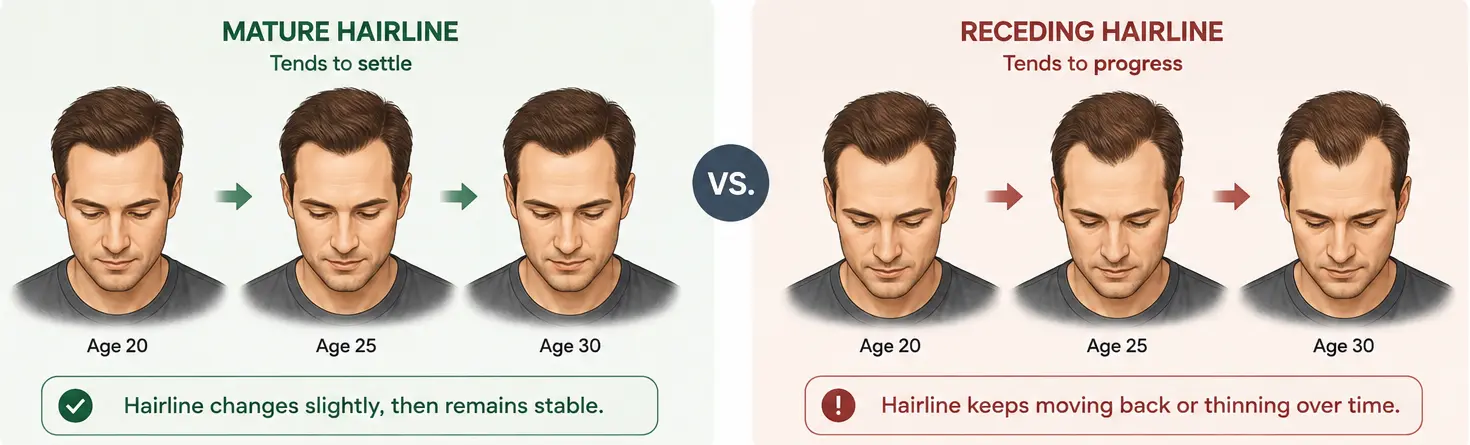
Most surgeons recommend waiting until age 25 or older when hair loss patterns are established. Younger patients may experience continued hair loss requiring additional procedures.
There’s no upper age limit if you’re in good health. The ideal candidate has stable hair loss, realistic expectations, and adequate donor hair. Your surgeon will assess whether you’re ready for the procedure.
Can I wear a hat after a hair transplant?
Avoid wearing hats for seven to 10 days post-surgery to prevent pressure on the grafts and reduce the risk of infection. After this period, you can wear loose, clean hats that don’t put pressure on the surgical area. Avoid tight hats or headwear for at least two to three weeks. Once fully healed at four to six weeks, you can wear any hat style normally without restrictions.
What should I expect during my first consultation?
Your surgeon will assess your hair loss pattern, donor area density, and overall health. They’ll discuss your aesthetic goals and explain realistic outcomes based on your anatomy.
You’ll see before-and-after examples and learn about different techniques. A customized treatment plan with a cost breakdown will be provided. The consultation helps determine if you’re a suitable candidate and answers all your questions.
How long does a hair transplant procedure take?
Most hair transplant procedures take four to eight hours, depending on the number of grafts and the technique used. FUE and Sapphire FUE typically take five to eight hours for 2,000 to 4,000 grafts.
DHI may take slightly longer due to the greater precision required for direct implantation. The procedure is performed under local anesthesia, so you remain comfortable throughout.