





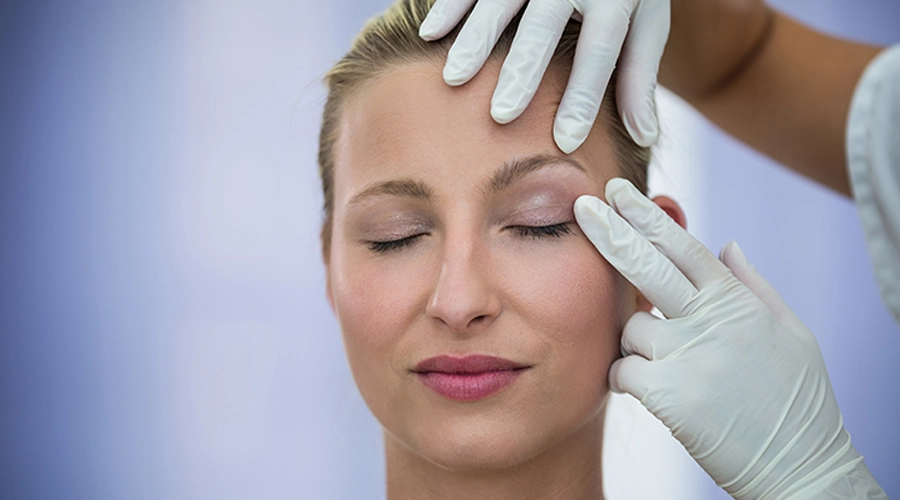
A low brow can sometimes create the appearance of excess upper-eyelid skin. For this reason, brow position and eyelid tissue should be evaluated separately. When appropriate, a brow lift may be planned alongside eyelid surgery or other facial procedures.
What Is Brow Lift Surgery?
Brow lift surgery is a procedure that moves the eyebrows, and in some cases forehead tissues, to a more appropriate position. The aim is not to raise the brows as high as possible in every patient. The main goal is to create a brow position that is balanced with the person’s facial anatomy.
Low-set brows can make the upper eye area look heavier. Drooping at the outer brow, in particular, can make skin bunching around the eyes more noticeable. Surgical planning therefore considers more than brow height alone. Brow shape, differences between the two sides, and the relationship between the forehead and brows are also assessed.
What Causes Drooping Eyebrows?
Drooping eyebrows can develop with aging, genetics, and changes in the tissues of the upper face. Over time, the skin and supporting tissues may change. The outer part of the brow can gradually sit in a lower position.
Some people naturally have low-set brows from a younger age. In these cases, the concern is not related to aging alone. Hairline position, forehead height, brow-bone structure, and overall facial proportions can all influence brow appearance. Age by itself is therefore not enough to determine whether surgery is appropriate.
Who Is a Good Candidate for Brow Lift Surgery?
Brow lift surgery may be considered for people in suitable overall health who want to address upper-face changes caused by brow position. Candidacy is assessed individually during a clinical consultation.
A brow lift may be considered in situations such as:
- Noticeably low-set or drooping eyebrows
- Drooping of the brow tail
- A heavy or hooded appearance around the upper eyes
- Noticeable asymmetry between the eyebrows
- A forehead and brow area that appears out of proportion with the rest of the face
- A preference to consider a surgical option rather than temporary treatments
Overall health, current medications, smoking, and previous facial surgery can also influence the surgical plan. During consultation, patients should tell their doctor about any medical conditions and all medications they use.
Who May Not Be Suitable for Brow Lift Surgery?
Brow lift surgery is not necessary or appropriate for every concern involving a low brow. The main cause may instead be excess upper-eyelid skin, eyelid ptosis, or another anatomical feature.
Certain uncontrolled health conditions may increase surgical risks. Factors that could impair wound healing also require careful assessment. Smoking, medications that affect bleeding risk, and previous surgery are important considerations when planning treatment. Medications should not be stopped without medical advice.
Unrealistic expectations should also be discussed before surgery. A brow lift does not change the entire anatomy of the face. The expected degree of change is determined after a facial assessment.
What Are the Different Types of Brow Lift Surgery?
Brow lift surgery can be performed using several approaches, including endoscopic, temporal, hairline, direct, and coronal techniques. The most appropriate method is not the same for everyone. Hairline position, forehead height, and the part of the brow that needs to be elevated all influence technique selection.
| Method | Basic approach | Key planning consideration |
| Endoscopic brow lift | A camera is used through small incisions in the scalp | Allows broader assessment of upper-face tissues |
| Temporal brow lift | Focuses on the temple and outer brow | Particular attention is given to brow-tail position |
| Hairline brow lift | The incision is planned near the hairline | Forehead height and hairline position are important |
| Direct brow lift | The incision is placed close to the area just above the eyebrow | Scar visibility should be assessed carefully |
| Coronal brow lift | Uses a longer incision within the scalp | Allows broader access to the forehead and brow tissues |
No single technique is the best option for every patient. Medical literature describes different brow lift methods as having distinct advantages and complication profiles.
What Is an Endoscopic Brow Lift?
An endoscopic brow lift is performed through small incisions within the scalp using a camera and surgical instruments. The camera, called an endoscope, helps the surgeon view the operative area.
After the tissues are released within the appropriate surgical plane, the brow and forehead tissues are moved to the planned position. The new position can be supported using different fixation methods. The incisions are then closed within the scalp.
Although the endoscopic technique uses small incisions, it is still a surgical procedure. Suitability is not determined by incision size alone. Hairline position, forehead anatomy, the degree of brow drooping, and previous surgery should all be assessed.
What Is a Temporal Brow Lift?
A temporal brow lift is a surgical approach that focuses mainly on the outer brow and temple area. It may be considered when downward positioning of the brow tail is particularly noticeable.
A temporal brow lift should not be expected to correct every type of brow drooping. If the central and inner portions of the brow are also low, a different surgical plan may be needed. This distinction is important for avoiding an over-elevated brow or a shape that does not suit the face.
How Is Brow Lift Surgery Performed?
Depending on the chosen technique, brow lift surgery is performed through planned incisions in the scalp or around the brow. The tissues are released and repositioned in the direction established before surgery.
The surgeon assesses not only brow height but also brow shape and the relationship between the outer, central, and inner portions. Once the tissues are secured at the appropriate level, the incisions may be closed with sutures, surgical clips, or other closure methods.
The type of anesthesia is selected according to the scope of the operation. Some techniques may be performed with sedation, while others use general anesthesia. A brow lift can be performed as a standalone procedure or combined with other facial surgery.
How Long Does Brow Lift Surgery Take?
In many cases, brow lift surgery takes approximately one to three hours. The duration varies according to the surgical technique and whether other procedures are performed at the same time.
A limited procedure focused only on the brow does not take the same amount of time as combined facial surgery. Additional procedures, such as upper eyelid surgery or a facelift, may lengthen the operation. A more precise estimate can be given once the surgical plan has been established.
How Should You Prepare for Brow Lift Surgery?
Before surgery, the facial and brow anatomy should be assessed in detail. Hairline position, forehead height, brow position, and the relationship with the eyelids are reviewed.
Patients should tell their doctor about previous operations, chronic health conditions, and all medications they take. Supplements, including vitamins and herbal products, should also be disclosed. Some medicines and supplements may affect bleeding risk. Their use should only be adjusted on medical advice.
Smoking should be discussed before surgery because it can affect wound healing. Blood tests or additional medical assessments may be requested when clinically appropriate.
What Is Recovery Like After Brow Lift Surgery?
Swelling, bruising, tightness, and temporary changes in sensation may occur during the early recovery period after brow lift surgery. The pace of recovery depends on the technique used and the individual’s tissue characteristics.
Initial wound healing commonly takes around 10-14 days. However, swelling may take longer to fully settle, and the tissues may need additional time to adapt to their new position.
| Recovery period | What you may generally expect |
| First few days | Swelling, tightness, and tenderness may be more noticeable |
| First 1-2 weeks | A significant amount of bruising and swelling may begin to subside |
| Around 10-14 days | Many people can return to social activities or desk-based work |
| Following weeks | The tissues continue to settle as swelling decreases |
| Following months | Scars mature and the final appearance can be assessed more accurately |
These timeframes are not a guarantee of recovery for every patient. Combined surgery, individual healing capacity, and the overall extent of the operation can change the recovery timeline.
What Should You Do After Brow Lift Surgery?
Following the surgeon’s aftercare instructions and scheduled follow-up visits is important for a safe recovery after a brow lift. Keeping the head elevated may help manage swelling.
Strenuous exercise, intense physical activity, and movements that place tension on the incision area may be restricted for a period of time. Hair and incision care should follow the surgeon’s instructions. If cold compresses are recommended, they should not be applied directly or indiscriminately over the surgical area.
Contact the surgical team if you develop unexpected severe pain, increasing redness, significant bleeding, discharge, or a new loss of movement.
When Will Brow Lift Results Be Visible?
The new brow position may be noticeable soon after surgery, but the early appearance is not the final result. Swelling and tissue tightness can make the brows look different from normal during the first few weeks.
As swelling decreases, the brows and upper eye area usually begin to look more natural. Full tissue healing can continue for several months. Cleveland Clinic notes that complete recovery may take up to six months for some people.
For this reason, long-term results should not be judged by how the brows look in the first days or weeks after surgery.
Are Brow Lift Results Permanent?
The effects of brow lift surgery are long-lasting, but the procedure does not stop the natural aging process. Surgically repositioned tissues will continue to age over time.
It is not appropriate to define longevity as one exact number of years. Skin characteristics, age, genetics, sun exposure, and the surgical technique used can all influence the long-term appearance.
Some gradual lowering of the brows in later years does not necessarily mean that the surgery has failed. Natural changes in facial tissues continue throughout life.
Does Brow Lift Surgery Leave Scars?
Because a brow lift is a surgical procedure, scars form where incisions are made. However, incision sites are planned in the least visible areas possible, depending on the technique used.
With endoscopic and some temporal techniques, incisions are usually positioned within the scalp. With a hairline approach, the incision may sit close to the frontal hairline. A direct brow lift places the incision just above the eyebrow, so scar visibility requires a different assessment.
Scar appearance can vary from person to person. Genetic healing tendencies, skin characteristics, smoking, protection of the incision site, and whether an infection develops can all affect the final scar.
What Are the Risks of Brow Lift Surgery?
Potential surgical risks of brow lift surgery include bleeding, infection, asymmetry, changes in sensation, and scarring. Temporary or permanent hair loss can also occur around scalp incisions.
Other possible complications include prolonged pain, wound-healing problems, fluid accumulation, and changes in movement related to nerve injury. As with all surgical procedures, anesthesia-related risks must also be considered.
The frequency of complications varies according to the technique used and individual patient factors. A single risk percentage quoted online therefore cannot be applied to every patient.
Brow Lift vs Upper Blepharoplasty: What Is the Difference?
A brow lift changes the position of the brows and upper forehead tissues, while upper blepharoplasty directly addresses excess tissue in the upper eyelid. The two procedures do not treat the same anatomical issue.
When the brow sits low, it can place additional tissue pressure over the upper eyelid area. In that situation, assessing eyelid skin alone may not be sufficient. Conversely, true excess eyelid skin can be present even when brow position is normal.
If both concerns are present, a brow lift and upper blepharoplasty may be considered within the same surgical plan. The decision should be made after a physical examination.
Brow Lift vs Botox: What Is the Difference?
A surgical brow lift repositions tissues, while botulinum toxin temporarily reduces movement in selected muscles. The two options therefore differ in both mechanism and duration of effect.
In suitable patients, botulinum toxin may create a limited, temporary change in brow position. It should not be expected to correct significant tissue drooping to the same degree as surgery. The effects of non-surgical brow treatments are generally temporary.
Someone seeking a subtle change in brow position may have different needs from someone with more pronounced brow drooping. The most appropriate option should be determined after an examination.
Can a Brow Lift and Facelift Be Performed Together?
For some patients, a brow lift can be performed together with a facelift or surgery around the eyes. The need for combined treatment depends on changes in different areas of the face rather than age alone.
A brow lift targets the upper part of the face. A facelift may involve different surgical plans to address sagging in the cheeks, jawline, or other areas of the face.
Forehead height and hairline position should also be assessed. For some people with a high forehead, especially when a change in hairline position is planned, procedures such as forehead reduction may be considered. In combined surgery, incision planning and tissue blood supply must be evaluated together.
How Is a Natural-Looking Brow Lift Planned?
A natural result depends not only on brow height but also on how the brows relate to the rest of the face. The same brow angle or height should not be targeted for every person.
The inner, central, and outer portions of the brow may need to be assessed differently. Brow-bone shape, eye position, forehead height, and existing asymmetry are all considered during planning.
The surgical goal is not to eliminate facial expression or create a permanently surprised look. Appropriate planning aims to balance brow position while preserving the person’s existing facial characteristics.
Brow Lift Surgery Turkey Prices 2026
Brow lift surgery costs in 2026 can vary according to the surgical technique and the scope of the operation. It is not possible to quote one brow lift price that applies to every patient without an examination.
Key factors that can affect cost include the brow lift technique, type of anesthesia, and extent of surgery. Endoscopic and other surgical approaches may require different equipment and operative planning.
Combining a brow lift with upper eyelid surgery, a facelift, or another procedure changes the overall scope of surgery. Hospital requirements, necessary tests, and the postoperative follow-up plan may also be reflected in the total cost.
If there is no verified, current clinic price available, giving an exact figure online can be misleading. An individual brow lift quote should be confirmed after consultation and surgical planning.
Frequently Asked Questions About Brow Lift Surgery
What Is the Best Age for Brow Lift Surgery?
There is no fixed age limit that applies to everyone considering brow lift surgery. The decision depends on the degree of brow drooping, facial anatomy, and overall health.
Structural or naturally low-set brows can be present at a younger age. When changes are mainly age-related, the need for surgery may arise later in life.
Is Brow Lift Surgery Painful?
Anesthesia is used during surgery, so the patient does not feel the procedure itself. Tenderness, tightness, or pain may occur afterwards. The intensity of these symptoms varies according to the technique used and the individual.
When Can I Return to Work After a Brow Lift?
Many people can return to desk-based work and social activities within approximately 10-14 days. However, recovery time varies with the extent of the operation.
Jobs that involve strenuous physical activity may require a longer recovery period.
Can Brow Lift Surgery Cause Hair Loss?
Temporary, or less commonly permanent, hair loss may occur around an incision. The risk is related to incision placement, surgical technique, and individual healing characteristics.
Does a Brow Lift Change Eye Shape?
The main purpose of a brow lift is to reposition brow tissue, not to change the anatomical shape of the eye. However, lifting the brow tail can make the upper eye area appear more open.
Procedures designed to change the position of the outer corner of the eye are different surgical operations from a brow lift.
Can a Brow Lift and Upper Eyelid Surgery Be Done at the Same Time?
Yes. If both areas require surgical treatment, a brow lift and upper blepharoplasty can be planned together. Brow drooping and excess upper-eyelid skin should still be assessed separately during the examination.
Will My Eyebrows Look Too High After a Brow Lift?
During the early recovery period, swelling and tissue tightness can make the brows look higher than expected. As healing progresses, the tissues settle and the result can be assessed more accurately.
A permanently over-elevated appearance is not the intended outcome. Brow height should be planned before surgery with the person’s facial proportions in mind.
Can You Lift the Brows Without Surgery?
Non-surgical treatments such as botulinum toxin may provide a limited and temporary brow lift in suitable patients. However, these treatments do not provide the same effect or longevity as surgical brow lift surgery.
When Can I Exercise After Brow Lift Surgery?
The timing for returning to strenuous exercise depends on the extent of surgery and the progress of healing. Heavy lifting and demanding workouts are generally restricted during the early recovery period. Intense exercise should not be resumed before the surgeon has reviewed the recovery.
Can Brow Lift Surgery Be Repeated?
If clinically appropriate, another surgical assessment may be considered in later years. The technique used in the previous operation, incision sites, tissue characteristics, and ongoing aging all influence future planning. The need for revision can only be assessed after an examination.