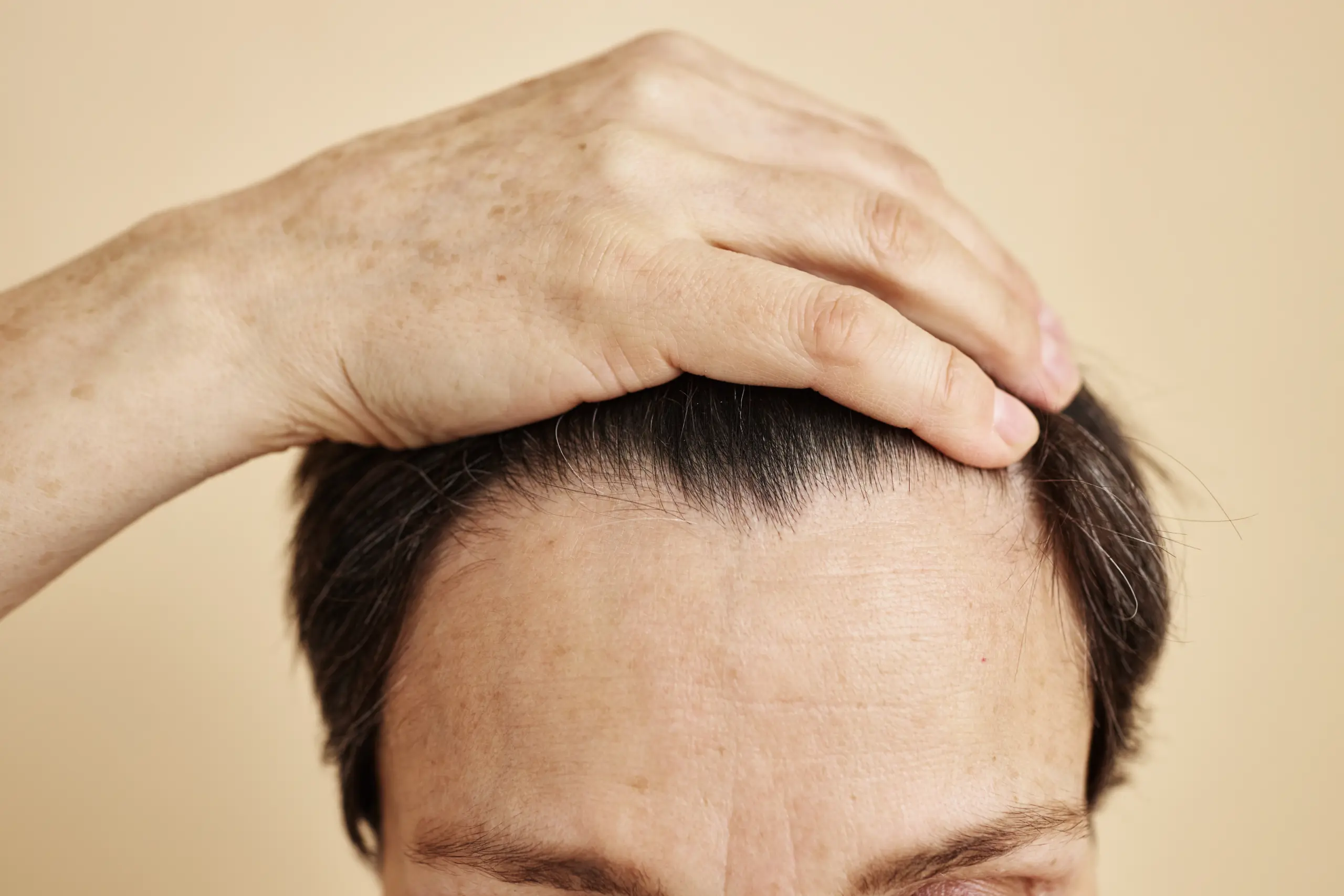

Deciding to undergo forehead reduction surgery — also known as hairline lowering surgery — is an exciting step toward a more balanced facial appearance. But before the procedure, it’s just as important to understand what to expect during the healing phase as it is to choose the right surgeon. Recovery after forehead reduction is generally smooth and well tolerated, yet knowing the timeline in advance helps you plan your schedule, manage discomfort, and protect your results.
In this guide, we walk you through the complete recovery journey — from the first 48 hours to the moment your final results become visible. If you would like a full overview of the procedure itself, including candidacy, techniques, and costs, visit our detailed guide on forehead reduction surgery.
What Happens Immediately After Surgery?
Forehead reduction is a surgical procedure performed under local anesthesia with sedation or general anesthesia, and it typically takes between 1.5 and 2 hours. Because the incision is placed precisely along the hairline, the technique allows scars to remain well concealed once healing is complete.
When you wake up, your forehead and scalp will feel tight — this is completely normal and expected. The skin has been repositioned, and this sensation of tension gradually eases over the first one to two weeks. A light dressing or headband is usually applied to support the incision line and minimize swelling.
Mild to moderate discomfort during the first few days is easily controlled with prescribed pain medication. Most patients describe the sensation as tightness or pressure rather than sharp pain, and many stop taking painkillers after just two or three days.
Forehead Reduction Recovery Timeline: Week by Week
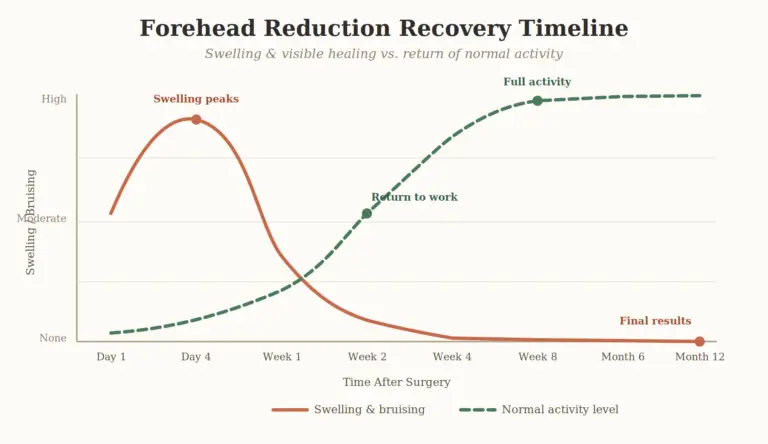
Every patient heals at a slightly different pace, but the general progression is remarkably consistent. The table below summarizes what you can expect in the weeks following surgery:
| Recovery Stage | What to Expect | Activity Level |
|---|---|---|
| Days 1–3 | Tightness, swelling and bruising begin; dressing in place | Rest with head elevated; short walks only |
| Days 4–7 | Swelling peaks and starts to subside; sutures may be removed around day 7 | Light daily activities; no bending or lifting |
| Week 2 | Most visible bruising fades; incision line begins to settle | Returning to work is usually possible |
| Weeks 3–4 | Residual swelling resolves; numbness gradually improves | Light exercise may resume with approval |
| Weeks 6–8 | Incision matures; hair begins growing through the scar line | Full activity, including gym workouts |
| Months 6–12 | Scar fades and final results become fully visible | No restrictions |
Individual healing times vary. Always follow the personalized instructions provided by your surgeon.
The First Week: Rest and Elevation
The initial days are all about giving your body the conditions it needs to heal. Swelling and bruising are the most noticeable side effects, often drifting down toward the eyes and upper face around day two or three before fading. Sleeping with your head elevated on two or three pillows significantly reduces fluid buildup and speeds up this phase.
During this time, you should strictly avoid strenuous activity, heavy lifting, and bending forward, as these movements raise blood pressure in the head and can increase swelling or the risk of bleeding. Cold compresses (applied near, not directly on, the incision) can provide additional relief.
Week Two: Getting Back to Normal Life
By the second week, most visible signs of surgery have faded enough to be covered with a light fringe, a headband, or minimal makeup. For most patients, returning to work is realistic between day 7 and day 14, especially for office-based or remote roles. If your job involves physical labor, plan for closer to three weeks off.
Weeks Three to Eight: Steady Improvement
Numbness along the incision and behind the hairline is normal and temporary — sensation typically returns gradually over several weeks to months as the small sensory nerves recover. Around week six, tiny hairs begin to grow directly through the incision line, which is one of the key advantages of modern surgical techniques: the trichophytic closure allows hair to camouflage the scar naturally.
Aftercare: How to Protect Your Results
Diligent post operative care plays a major role in how quickly you heal and how discreet your scar becomes. Follow these guidelines closely:
- Keep the incision clean and dry for the first 48 hours, then wash gently as instructed by your surgical team.
- Sleep on your back with your head elevated for at least the first week.
- Avoid sun exposure on the incision line for a minimum of three months — UV light can darken a fresh scar permanently. Wear a soft hat or use SPF 50 once cleared.
- Do not smoke for at least four weeks before and after surgery, as nicotine restricts blood flow and impairs wound healing.
- Skip hair dye and harsh styling products until the incision has fully closed, usually around week four.
- Attend every follow-up appointment so your surgeon can monitor healing and remove sutures at the right time.
What Influences Your Recovery Speed?
Several factors determine how quickly and cleanly you heal. One of the most important is scalp laxity — the natural flexibility of your scalp tissue. Patients with good laxity allow the surgeon to advance the hairline further with less tension on the incision, which typically means faster healing and a finer scar. Your surgeon assesses this carefully prior to surgery during your consultation.
Other factors include your age, overall health, genetics, and how closely you follow aftercare instructions. Preparing well — stopping blood-thinning medications, optimizing nutrition, and arranging help at home for the first few days — sets the stage for a smoother recovery.
When Will You See the Final Results?
Here is the timeline most patients experience:
- Week 2: The new, lower hairline is clearly visible, though mild swelling remains.
- Months 2–3: Swelling is fully resolved; the incision line begins fading from pink to skin tone.
- Months 6–12: The scar matures, softens, and is concealed by hair growth. Your final results are now complete.
Many patients find that the improvement to their facial proportions is visible almost immediately — the balance restored to the upper face is dramatic even before healing finishes. In the long term, results are permanent: the repositioned hairline does not shift back, although natural aging and hereditary hair loss should be discussed with your surgeon when planning the procedure. In select cases, a small hair transplant can later refine the temples or soften the hairline edge.
Recovery at a Glance
The vast majority of patients describe forehead reduction recovery as far easier than expected: about one week of visible downtime, two weeks until social confidence returns, and a scar that becomes virtually undetectable within a year. Compared to the lifelong impact of a balanced, harmonious hairline, the recovery period is remarkably short.
Ready to Take the Next Step?
Every forehead is unique, and so is every recovery. The best way to get a personalized assessment of your hairline, scalp laxity, and expected healing timeline is to speak directly with an experienced plastic surgeon. Book a consultation with Dr. Cengizhan today to find out whether hairline lowering surgery is right for you — and take the first step toward the facial harmony you’ve been looking for.
Learn more about the procedure, techniques, and candidacy on our main forehead reduction page.
Frequently Asked Questions About Forehead Reduction Recovery
How long does swelling last after forehead reduction?
Swelling typically peaks around day 3–4 and improves noticeably within the first week. Most visible swelling is gone by week two, while subtle residual swelling in the forehead and around the eyes can take 4–6 weeks to fully resolve. Sleeping with your head elevated and applying cool compresses during the first days makes the biggest difference.
Can I use silicone sheets or scar gels after surgery?
Yes — silicone-based scar treatment is one of the most evidence-backed methods for optimizing scar appearance. However, only start once the incision is fully closed, usually around week 3–4, and always with your surgeon’s approval. Applied consistently for 2–3 months, silicone sheets or gels help keep the scar flat, soft, and pale.
What can I take for pain, and are over-the-counter options enough?
Most patients only need prescribed pain medication for the first 2–3 days and then switch to paracetamol (acetaminophen). Avoid aspirin and ibuprofen in the first week unless your surgeon approves them, as they can increase bleeding and bruising risk.
Which foods or supplements support faster healing?
A protein-rich diet with plenty of vitamin C, zinc, and hydration supports wound healing. Avoid alcohol for the first two weeks and stay away from nicotine entirely — it is the single biggest controllable risk factor for poor scarring. Always clear any supplements (especially fish oil, vitamin E, or herbal blood thinners) with your surgeon first.
When and how can I wash my hair?
Gentle hair washing is usually allowed 48–72 hours after surgery. Use a mild, fragrance-free shampoo, lukewarm water, and pat — don’t rub — the incision area. Avoid hair dryers on hot settings, hair dye, and styling products until the incision has fully healed, around week four.
What happens if I don't follow the aftercare instructions?
Skipping post operative care significantly increases the risk of complications: widened or raised scars, prolonged swelling, infection, delayed wound healing, and in rare cases wound separation. The aftercare protocol exists to protect both your health and your aesthetic result — following it closely is the easiest way to ensure your scar heals virtually invisibly.
Should I wear a hat during recovery?
Yes — once your surgeon clears it (usually after suture removal), a soft, loose-fitting hat is ideal for protecting the incision from sun exposure during the first three months. Avoid tight caps or headbands that press directly on the healing scar line.