

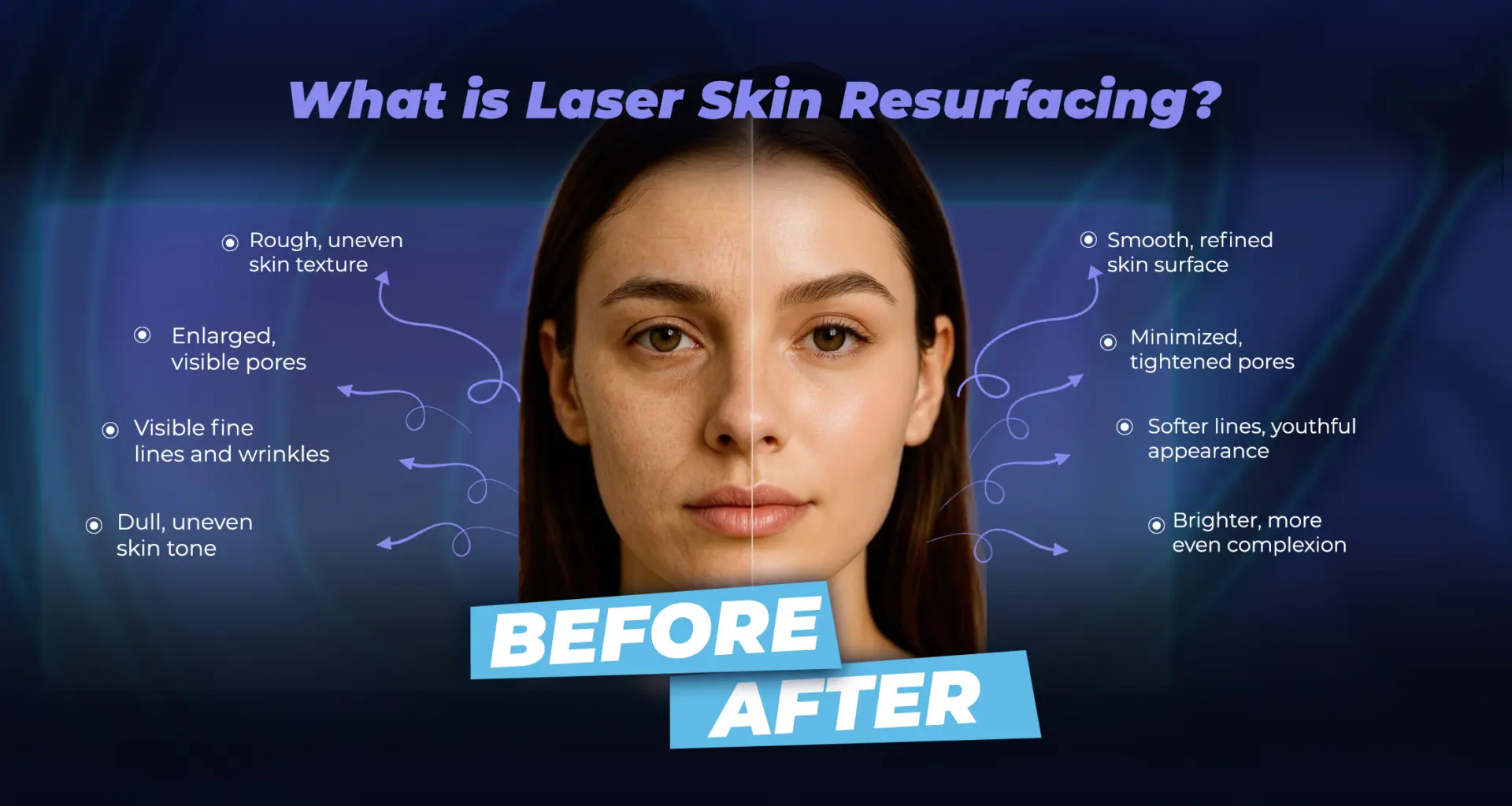
Laser resurfacing is a skin treatment that is highly effective in lightening the appearance of mild acne scars, sun spots, fine lines, and even age spots. If you are thinking about getting a laser skin resurfacing treatment, one of the questions that is bound to be on your mind is regarding recovery. One thing to note is that there is no single answer to this question. How long the recovery will take is largely dependent on the type and intensity of the laser. However, below, we break down the general recovery period of the laser treatment and give you a realistic timeline to help you make an informed decision.
🏥 A Recovery Timeline of the Laser Skin Resurfacing Treatment
Before we jump into discussing the details of the recovery period after getting laser skin resurfacing treatment, we also have a detailed blog on this treatment. Read our blog on “Laser Skin Resurfacing 101: What It Is, How It Works, and Who It’s For” to know more about the types of laser skin resurfacing treatment and their benefits.
Now, let’s take a deep dive into what the recovery and post-laser care look like:
First Day Post Treatment
The first day after the treatment will have the most discomfort. Your skin will feel very red, and there will be some moderate swelling. The skin will also feel warm and might look like you got sunburn. However, after the CO2 laser in particular, the first day of the recovery will involve the skin feeling tight and looking very red.
To tackle this, you might be recommended to use a cold compress. To add to this, you should avoid any kind of activities during this time as well. Additionally, you should take it slow and let your skin heal.
Day Two to Day Four
The next two days will involve a lot of swelling, and the redness will likely get worse. This means the skin is beginning to heal itself. By day four, the skin will begin to form crusts and scabs. Eventually, the peeling phase begins when the scabs begin to shed. Also, this skin peeling after the laser will make the skin feel very dry.
📍 Your doctor will recommend a healing balm to tackle the dryness as part of the post-laser care. This skin is still quite sensitive during this phase, so rubbing and picking the skin should be avoided at all costs. Moreover, your doctor will also recommend a gentle cleanser to help aid the healing process of your skin.
Day Five to Day Seven
The peeling and flaking will continue until day six. During this phase, the new skin begins to emerge, which feels very tender. The skin goes from looking very red to pinkish. There might be some itching, which could lead to discomfort, but you will be able to see the first signs of improvement during this phase. This fresh skin will look much smoother and more radiant. Since the new skin is so sensitive, it should be protected from the sun using SPF.
The Second Week Post-Treatment
You can expect most of the peeling to be gone by the seventh day post-treatment. By this point, you can expect to feel a lot more comfortable since the hardest phase of the recovery has passed. The pinkness in the skin will gradually reduce, and the newly emerged skin will look smoother and have better elasticity.
Between days 12 and 14, your skin won’t feel tight anymore, and your skin tone will appear more even. You will now see the improvement in your skin that you expected from this laser resurfacing treatment.
📍 You should continue to keep yourself hydrated, moisturize your skin regularly, and protect it from the sun. Furthermore, you can wear makeup since most of the healing has completed if your doctor permits it.
You can now reintroduce your usual skincare products but still avoid any harsh exfoliants or retinoids for a bit longer.
Long-term Healing
In the coming months, the collagen remodeling will continue, and your results will become more and more visible as time passes.
🏥 What Does the Pre-laser Consultation Look Like?
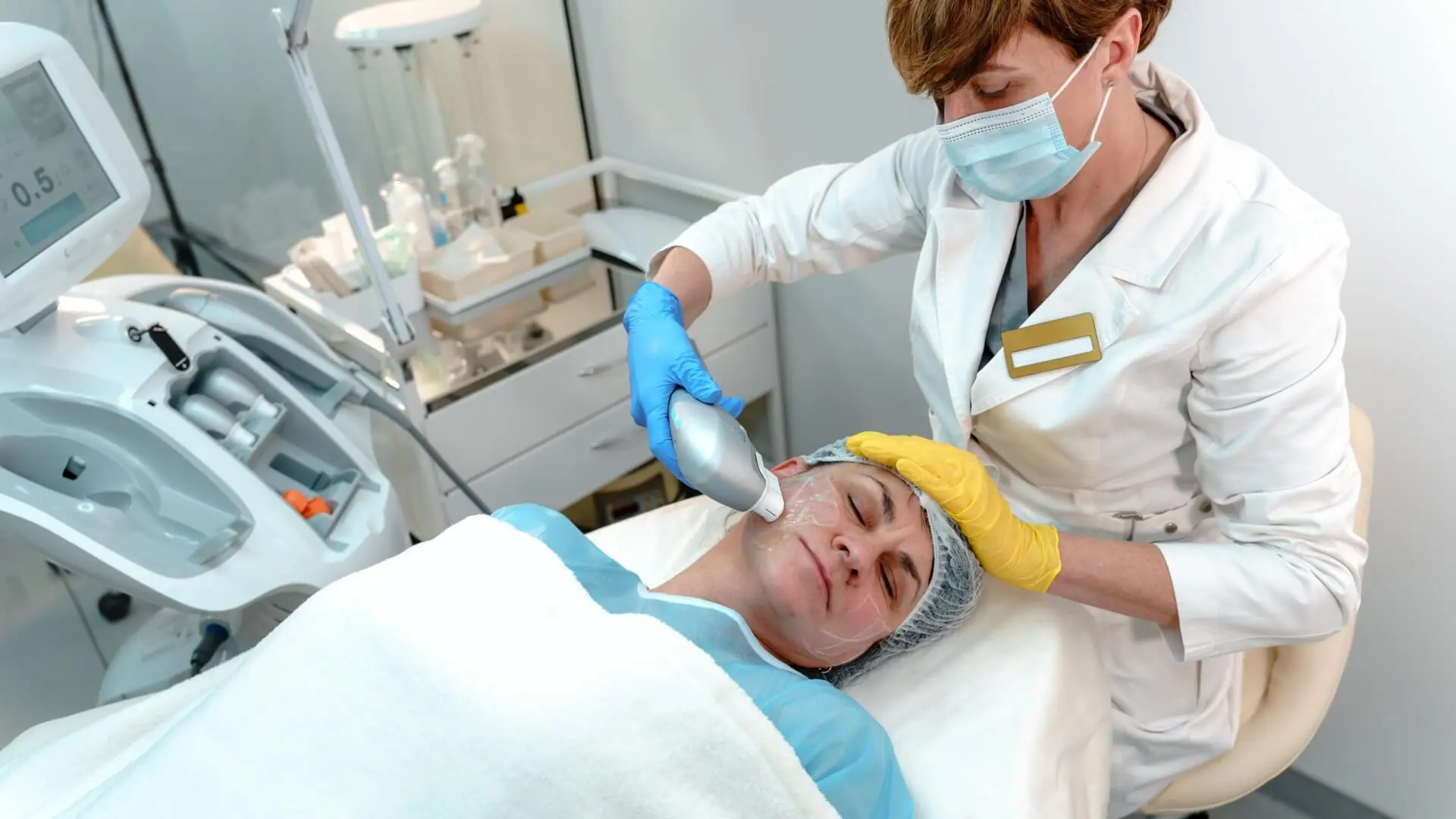
The consultation helps your doctor know if this treatment is a good option for you. They will question you regarding your medical history, any medication you might be taking, and any treatments you may have gotten done in the past. The doctor will also examine your skin to make sure you are not at risk of any side effects. To add to that, you should be ready to ask your doctor all the questions you have in mind regarding your treatment. This includes questions regarding the results you can expect, the downtime, etc.
All in all, it is essential to know what the recovery phase of the laser skin resurfacing treatment entails. Furthermore, having proper knowledge of the after-care will ease the healing process.