

Unevenness in the skin, fine lines, and age spots are some of the few skin issues that can get in the way of one’s skin looking fresh and healthy. Laser skin resurfacing has become the most trusted treatment for the skin to help revitalize it and enhance its beauty. From helping with wrinkle reduction to guaranteed skin rejuvenation, the laser skin resurfacing treatment is a highly effective procedure that can bring a drastic enhancement to the skin’s appearance. Stay with us, we break down all there is to know about the laser skin resurfacing procedure and why it is leading the way in medical aesthetics.
🎯 What is Laser Skin Resurfacing?
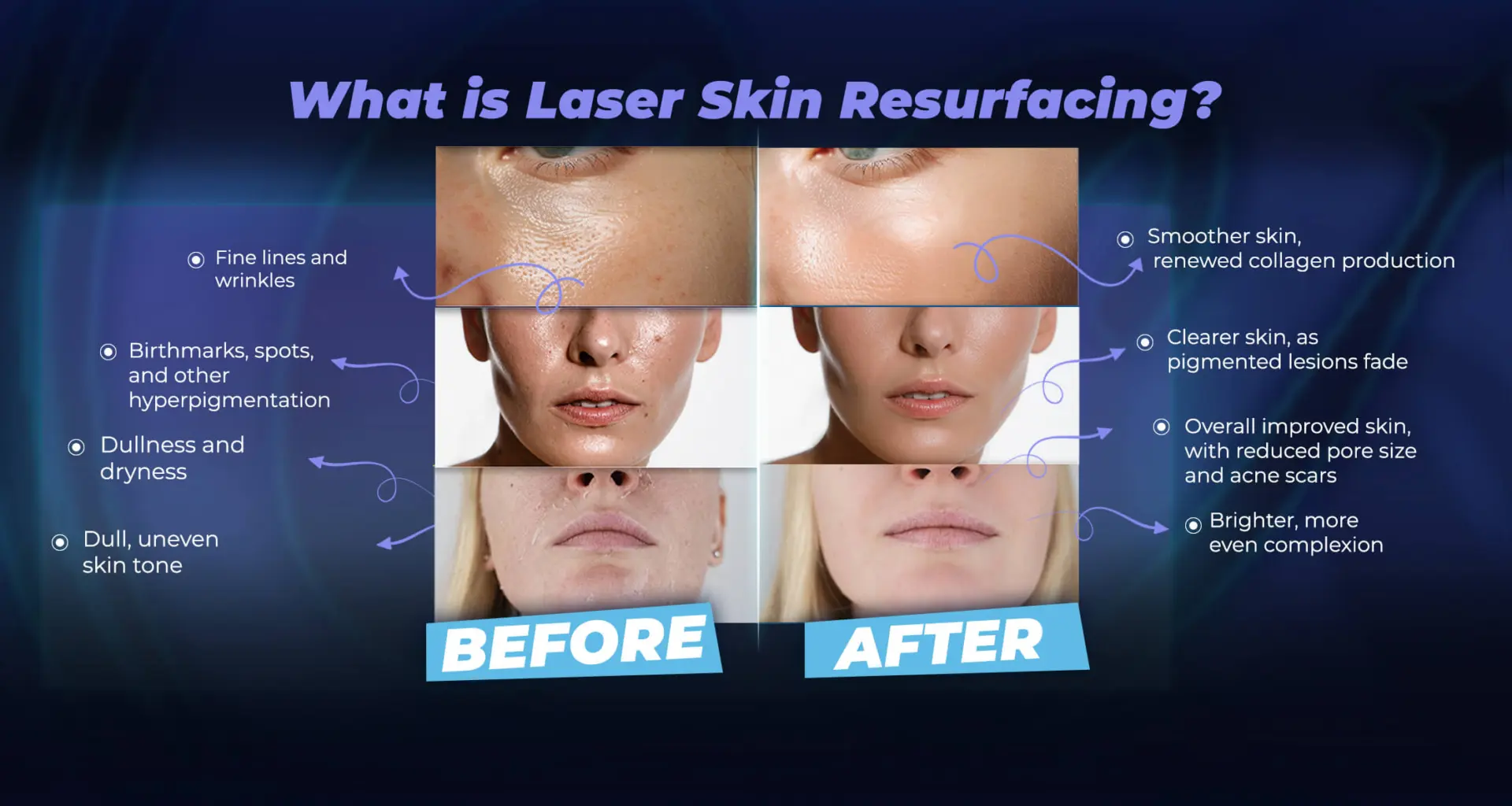
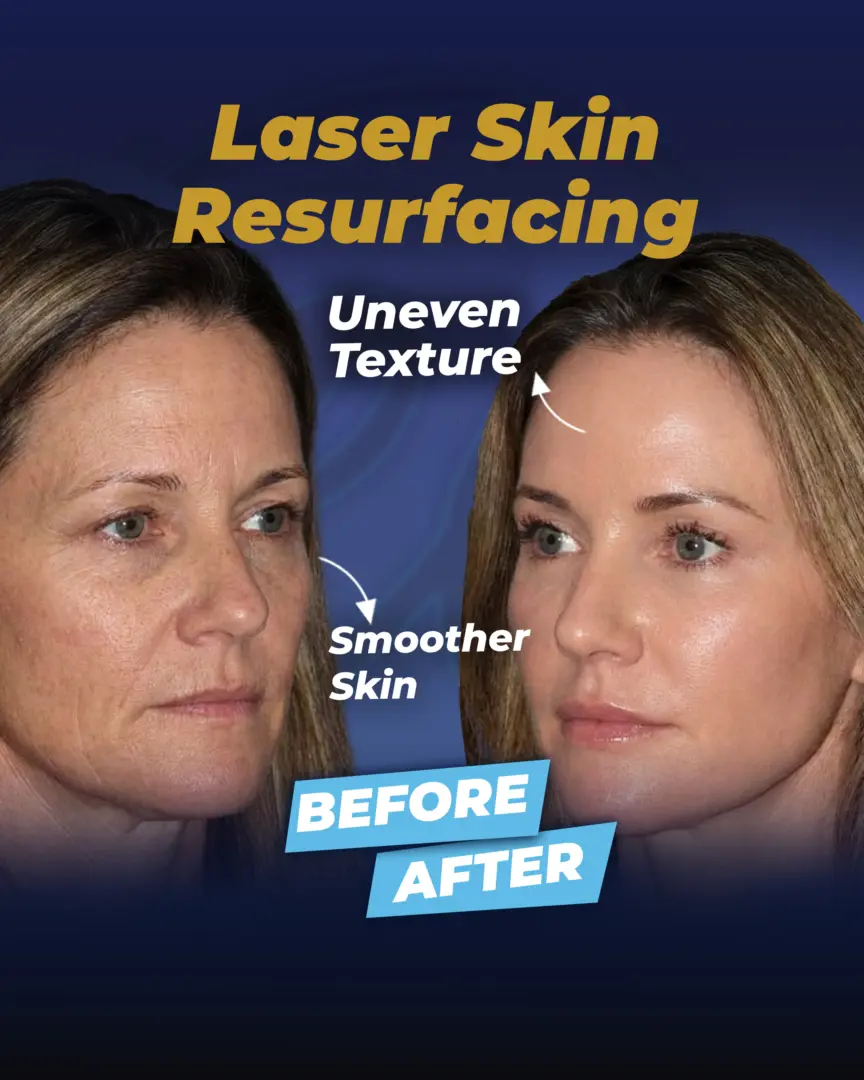
As the name suggests, Laser resurfacing is a process of enhancing skin texture, tone, and overall appearance with the help of a laser. When it comes to laser treatments, many ask the question, Is laser skin resurfacing safe? Laser resurfacing is a proven method of gently removing the outermost layer of skin to stimulate the growth of new collagen fibers. It has many uses, including acne scar treatment, removing age spots, and other types of pigmentation, fine lines, sun damage, wrinkles, and much more.
The treatment is essentially suitable for people suffering from various forms of uneven skin tone, texture, pigmentation, etc. Laser skin resurfacing is also effective in alleviating enlarged pores, dull skin, and mild laxity.
💉 How Does It Work?
The concept of laser skin resurfacing depends on causing a microscopic injury to trigger the body’s immune/injury response. This, in turn, results in new collagen and elastin production, which leads to a firmer and more even skin tone. The new cell generation in response to the laser-induced injury ensures fresh and healthier-looking skin, replacing the damaged and dull skin cells.
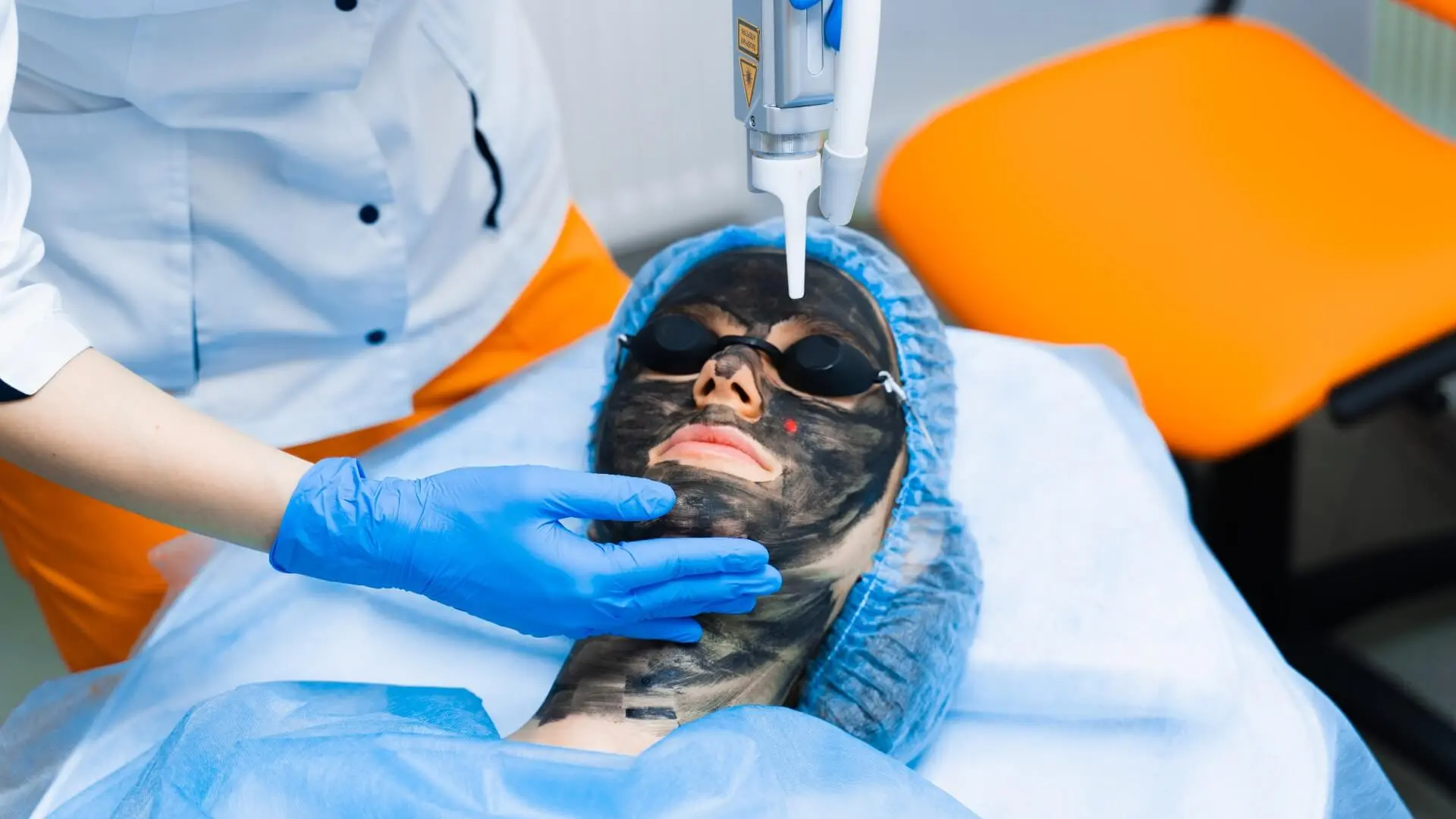
The general step-by-step process of laser skin resurfacing includes:
- Assessment of the skin
- Thoroughly cleansing the skin
- Applying numbing cream or a local anesthetic
- Laser application session
During the early post-treatment phase, the skin is red with some swelling and peeling. The exact healing or recovery duration depends on the type of laser used in the treatment. It may extend from days to weeks. Once complete healing is achieved, the skin takes on a firmer and more youthful appearance.
⚕️ Ablative vs. Non-Ablative: The Core Difference
To understand the types of lasers used in the laser resurfacing treatment, they are classified broadly as Ablative lasers and non-ablative lasers:
Ablative Lasers
Ablative lasers “ablate or remove” the outer damaged and dull surface of skin. They are meant for deep-seated wrinkles and established scar removal. For example, someone with significant sun-damaged skin is a good candidate for an ablative laser treatment. Ablative lasers have more noticeable outcomes and a longer recovery timeline.
Non-ablative Lasers
Unlike their ablative counterparts, the non-ablative lasers improve skin tone and texture through heating the inner layers of the skin and stimulating collagen and elastin production. Moreover, these types of lasers are better suited for mild wrinkles, tone discrepancies, and pigmentation. Furthermore, non-ablative lasers have little to no recovery duration; however, the outcomes appear gradually and take some time.
✨ Popular Types of Lasers
Some popular types of lasers that are commonly employed in laser skin resurfacing treatments include:
- Ablative lasers (CO2 laser, Erbium: YAG laser)
- Non-ablative lasers (Nd-YAG laser, PDL/ Pulse-Dye laser)
- Fractional lasers (Fractional CO2, Fraxel)
🎯 What Makes One A Candidate For the Laser Skin Resurfacing Procedure?
You might be a great candidate if you have:
- Age spots on your face.
- Fine lines on your face.
- Wrinkles around the mouth and eyes.
- Do not suffer from any untreated skin conditions.
- The wrinkles on your face are not too deep.
- You do not have extensive sagging in the skin.
- Are not taking certain medications.
- There isn’t an extreme loss of elasticity in the skin.
- You do not have any active acne.
- Your health condition is good.
🟥 We do not recommend the laser skin resurfacing procedure for patients who are dark-skinned, as they have a higher risk of developing scarring and hyperpigmentation.
🟥 You can find out if you qualify for the laser skin resurfacing procedure by getting a consultation with an expert. They will perform an analysis of your skin type and condition and take your medical history to decide whether you are a good candidate for this procedure.
🔍 Here’s What You Can Do to Prep For Your Procedure
- Avoid exposing your skin to the direct sun by protecting your skin with sunscreen regularly.
- Do not use any kind of tanning products, including tanning beds, in the week leading up to the treatment. They can interfere with the laser’s results.
- Avoid using retinoids and products with active acids and exfoliants to not irritate the skin before the procedure.
- If you are using any medication, consult with your doctor before your laser resurfacing treatment, as certain medications can affect the skin or make it prone to photosensitivity.
- Hydration is essential for the laser skin resurfacing procedure to work.
🟥 Your doctor will guide you on the after-care protocols. Following these guidelines will ensure your skin heals smoothly and you get the best outcomes.
Book your consultation with Dr. Cengizhan Ekizceli for youthful and refreshed skin.